BMW E92 M3 track journal: brakes and cooling-system maintenance
nsogiba records maintenance between track events in a largely stock E92 M3, from a rear metallic-noise fix to brake wear, added cooling ducts and later cooling-system work. Follow-up posts also describe damage to the original brake-cooling inlets.
Select a photo to view its source post. The source may require sign-in.
A track journal with maintenance between events
nsogiba opened the thread to keep HPDE and lapping-day reports together. The record follows changing weather, learning the circuits and preparing a largely stock M3 between events. Repairs and upgrades appear as follow-up work within that journal; the reports are not a controlled comparison of parts or driving performance.
A rear metallic noise traced to contact at the rotor hat
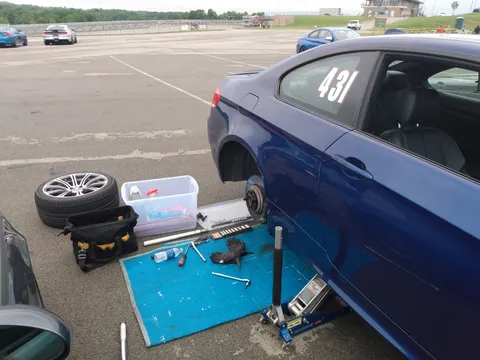
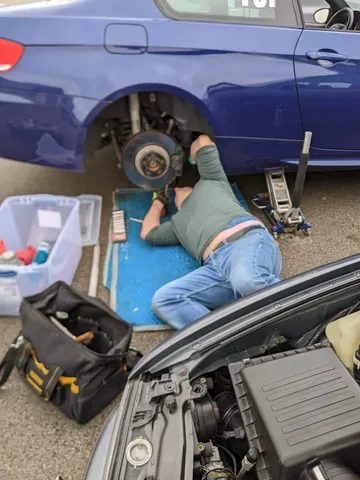
At the June 2022 event the author heard a metallic noise increasing with vehicle speed. He reported removing the caliper, finding a heat shield rubbing against the rotor hat, and bending it away, which stopped the noise. A bearing or debris explanation was his speculation, not a confirmed root cause. A later report of severe brake pulsation remained a separate issue.
Later events brought brake and tire wear
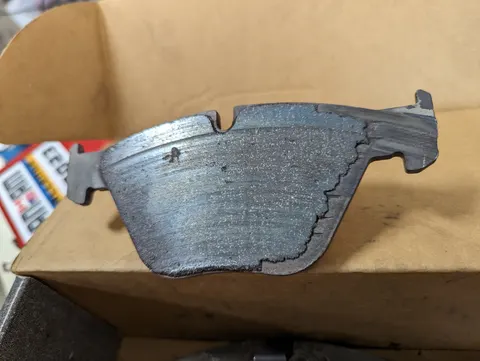
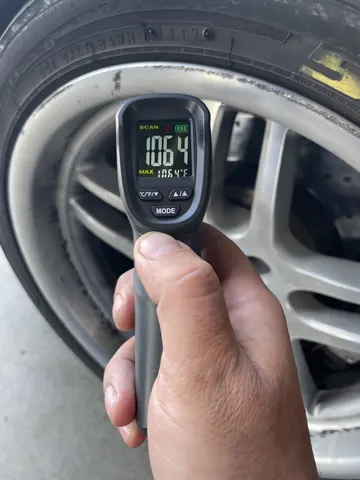
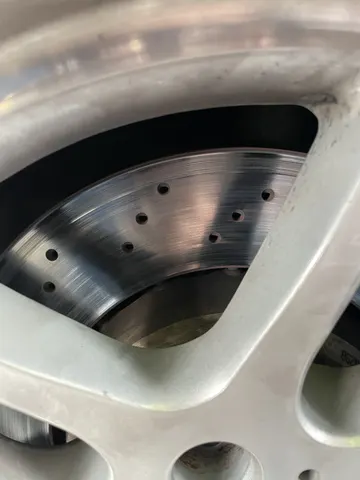
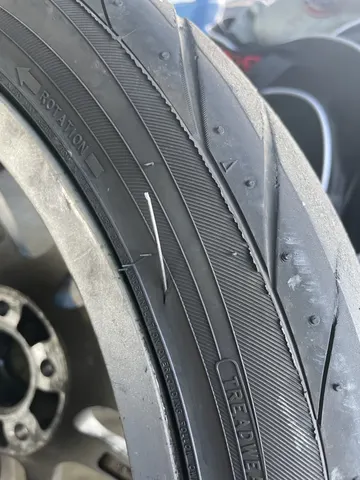
In a May 2023 update he described softer, less consistent braking after several laps, rotor grooves and cracks around drilled holes, and pad friction material separating from the backing. He also found protruding material in a tire and stopped for the day, refitting road-use equipment for the return trip. His interpretation of the tire damage and his belief that the original brake parts dated from September 2008 are attributed observations, not an independent inspection.
Replacement brake parts and added cooling ducts
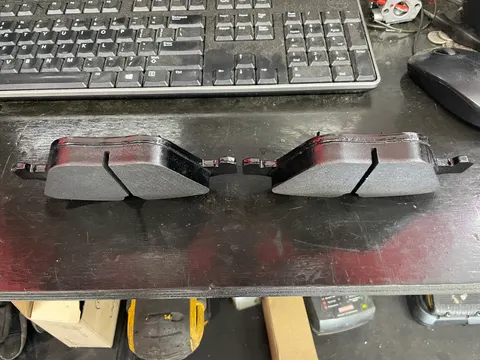
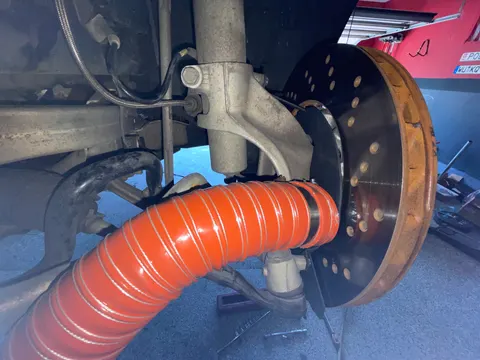
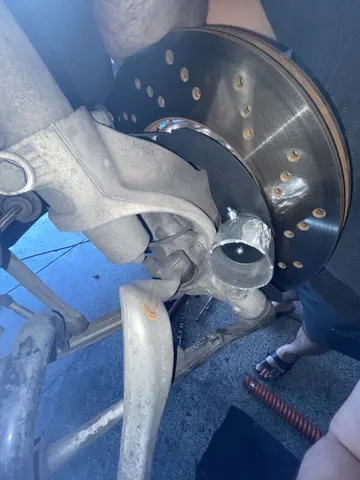
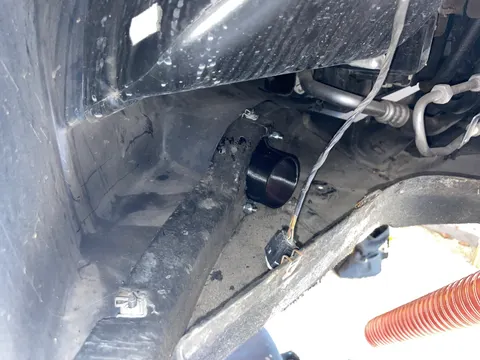
A July update shows replacement lines, fluid and pads. Another records fitting backing plates, adapting their 2-inch inlet to 2.5-inch hose and adding printed undertray inlets. The author reported close tire clearance at full lock and additional ties to control the hose shape. In a subsequent reply he explicitly said changing pad compound meant the cooling comparison would not be like-for-like. No isolated cooling or pad-life benefit is established here.
A thermostat code led to another maintenance update
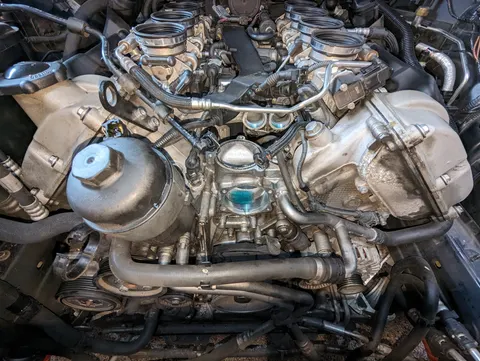
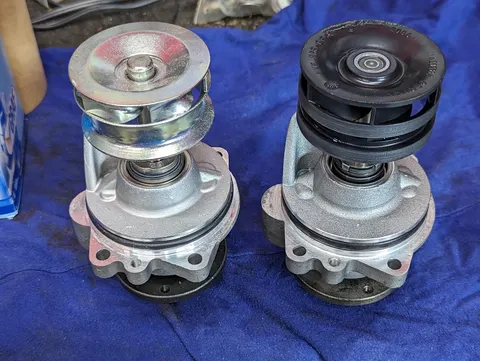
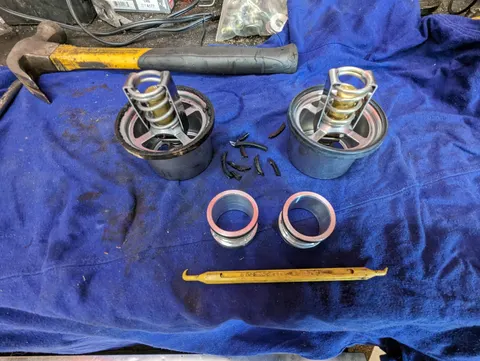
In March 2024 the author looked back at a mid-2023 thermostat-code warning and coolant readings around 165°F when warmed up. He interpreted this as a stuck-open thermostat and changed the water pump as preventive work while access was open. He also replaced union O-rings and hoses. The post does not report a final coolant-temperature or leak-test result.
A broken drain plug and noisy idler pulley
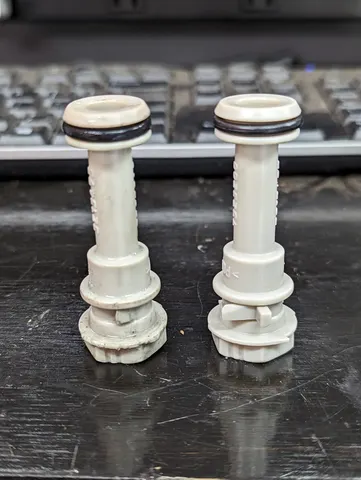
In the same update he reported breaking a radiator drain plug and buying another, and replacing a noisy belt idler pulley/bearing. The photograph shows two plugs. His description of the plug as single-use is his account rather than a service specification verified by this review.
The original cooling scoops later failed
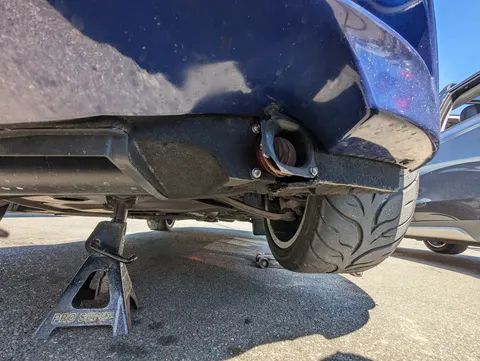
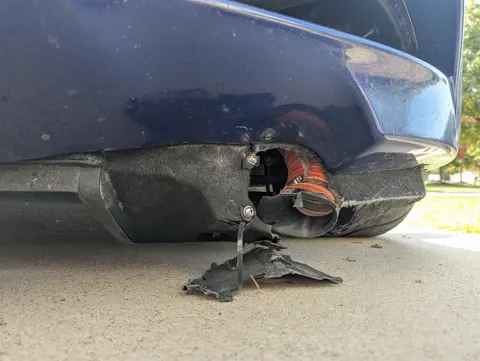
The author later reported that track heat damaged the original brake-cooling scoops. He temporarily secured them to continue the weekend, then caught the undertray on trailer ramps at home and destroyed the scoops. He said he subsequently remade them in steel, but this post does not document the rebuilt parts or their durability. The early duct installation therefore was not a lasting success as originally built.
Later pad wear did not establish its cause
At a later Pittrace event, the author again wore out the front pads. He suspected DSC/MDM braking intervention and planned to compare a later season, but no controlled comparison appears in the remaining posts. This is a hypothesis, not evidence to disable stability control or a proven diagnosis. The final updates concern a trailer tire rack, storage and track logistics rather than a measured cooling-system or brake-wear result.