
Porsche 996 coolant fitting replacement
dkraige replaces a cracked filling hose and a brittle coolant connector in one cooling-system opening. His account preserves the difficult reservoir connection, broken plastic removal and the clamp-clearance concerns that remain after installation.

Select a photo to view its source post. The source may require sign-in.
Two plastic fittings in one cooling-system opening
dkraige decided to replace the small plastic coolant fitting near the oil-filler hose and alternator preventively. He had also found cracks in the plastic T-piece of the hose connecting the reservoir to the water pump. Some looked deep enough to concern him about a major leak. His temporary epoxy patch was a stopgap, not a demonstrated permanent repair. He chose to replace both parts while the cooling system was open.
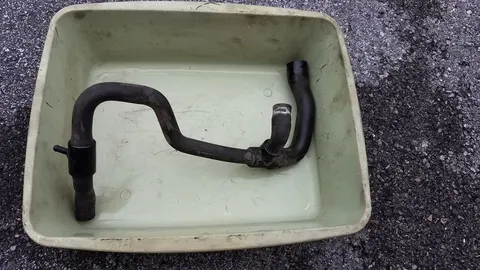
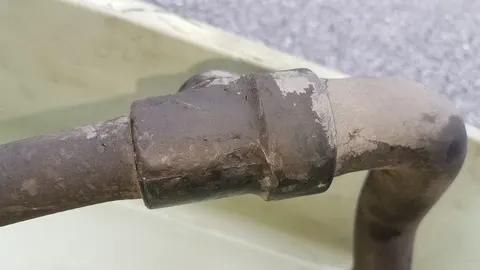
The filling hose and a bracketed replacement connector
The author identifies his filling hose as 996-106-850-05 and his replacement coolant connector as the Rauch and Spiegle S99610622652. He preferred a connector retaining the original mounting position because the hose runs close to the serpentine belt. These are parts he used in his car, not a verified parts list for every 996. The thread does not establish his exact model year or engine.
The difficult connection is under the reservoir
The filling hose’s lower reservoir connection was the difficult part of the job, particularly because of the clamp’s orientation. The author removed the airbox and moved the secondary-air-injection pump and its hose aside for access, then used long-reach pliers. He describes the other three connections as straightforward. His account documents the access difficulty; it does not supply a complete coolant draining, filling or bleeding procedure.
Removing the broken nipple without leaving fragments
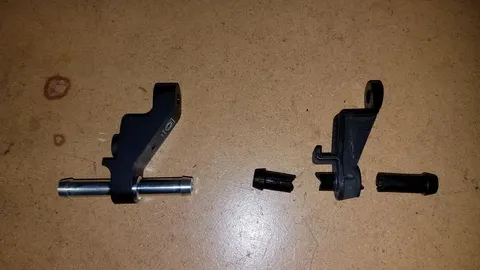
The old coolant connector snapped when dkraige tried to pull its hoses off. He used a #12 wood screw to grip the plastic nipple left inside the hose and eased it out slowly. In his later reply he again stresses finesse and very little force: shattering the remains could leave uncertain plastic debris in the cooling system. His photograph compares the collected broken pieces with the new connector.
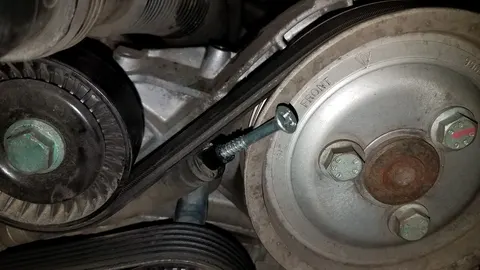
Installed, with hose grip still under observation
The author reused the upper spring clamp and replaced the lower clamp. He felt the hoses were less snug on the new connector than on the old one and planned to watch for leaks, with different hoses or clamps as possibilities if necessary. He does not provide a later leak-free follow-up in the reviewed account. The installed photograph therefore records assembly, rather than proving long-term sealing.
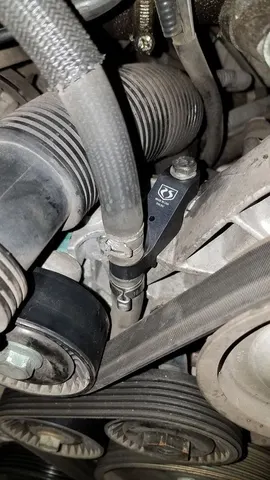
Clamp size and belt clearance need separate attention
In his follow-up, dkraige says the catalog crimp clamp G99951263300 was too large for his lower connection even fully crimped, so he used a smaller size. Nickshu reports using OE-style spring clamps on his own car and warns that a worm-drive clamp may not clear the belt. dkraige agrees that its mechanism would need to remain accessible without interfering with the belt. These attributed reports preserve both the author’s size problem and the clearance concern; they do not establish a universal clamp substitute.
DBJoe996’s separate hose replacement
DBJoe996 says he also replaced the hose from the water pump to the connector and found its two ends had different diameters. He reports that replacing those parts resolved persistent weeping on his own car and that stainless worm-drive clamps worked for him. His result belongs to that separate vehicle; it does not supply dkraige’s missing follow-up or remove the belt-clearance concern raised elsewhere in the discussion.
Source reply ↗ · DBJoe996