
Porsche 997 Turbo engine-out repairs
theanalyst’s 2007 Tiptronic 997 Turbo engine-out repair progressed through used replacement turbos and plumbing, a second removal after a leak test, shaft refitting, and a first start with a short drive. Cooling checks and an intermittent idle hunt remained unresolved in these updates.

Select a photo to view its source post. The source may require sign-in.
An engine-out project with several repairs in progress
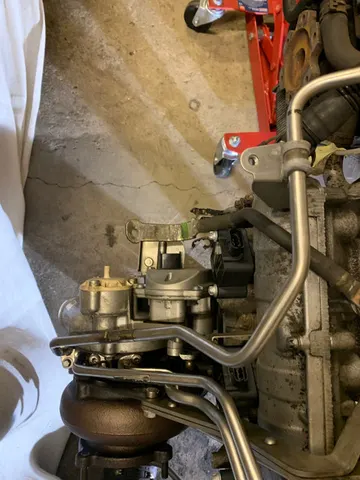
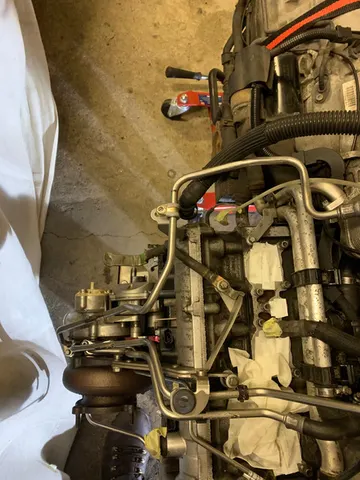
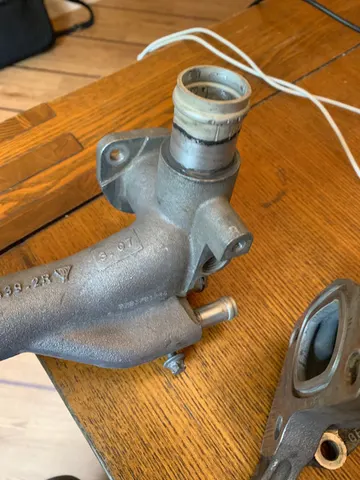
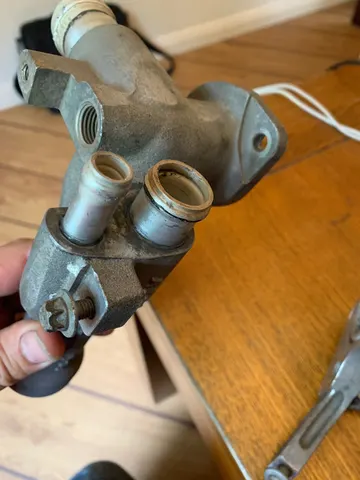
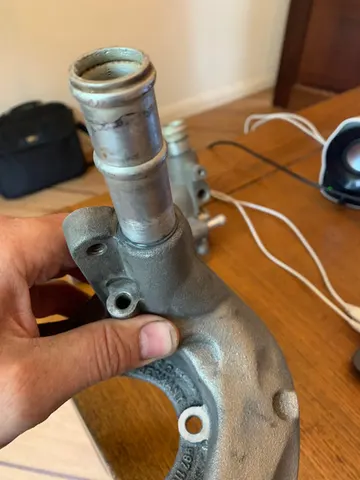
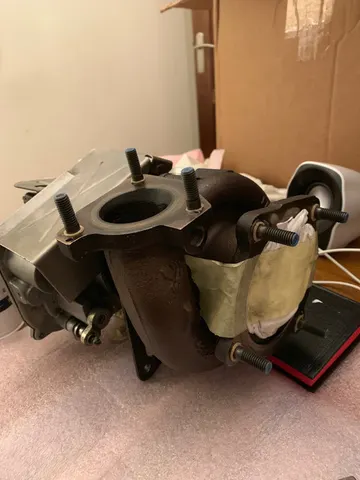
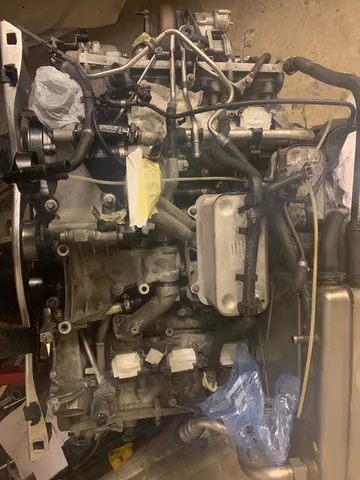
theanalyst had removed the engine and was replacing damaged turbos while attending to coolant plumbing, oil-return pipes and seals. He reported a leaking washer at a lower chain guide. He planned to rebond the front-manifold coolant pipes even though they had not been leaking. The photographs show the removed assembly and engine before cleaning, rather than a completed installation.
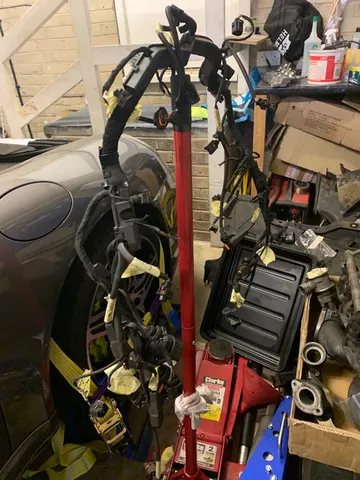
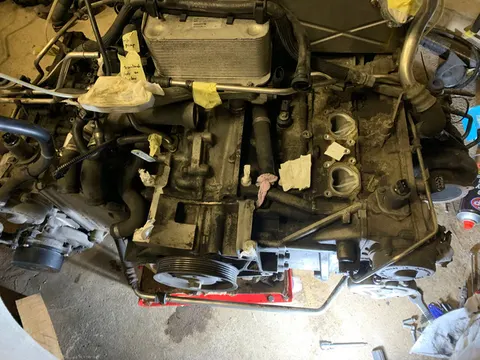
A coolant check before the engine went back in
His main question was how to vacuum-test the coolant circuit with the engine outside the car. Later he considered a cone adapter and blocking the other openings, but did not report a completed test in this portion. In another update he described crust from an older leak at a lower coolant elbow, expected a large parts delivery, and still intended to replace the three elbows beneath the coolers.
Opening the cover led to gear-position and resistance questions
The author said the gears fell out when the cover came off, leaving him unsure he had preserved their original positions. After reassembly he felt slightly more resistance when turning the pump by hand. He later reported smoother rotation after cleaning again and examining wear patterns to reposition the gears, while still relying partly on his own assumption about rotation direction. This is a bench-assembly observation, not an oil-pressure, installed-engine or driving test.
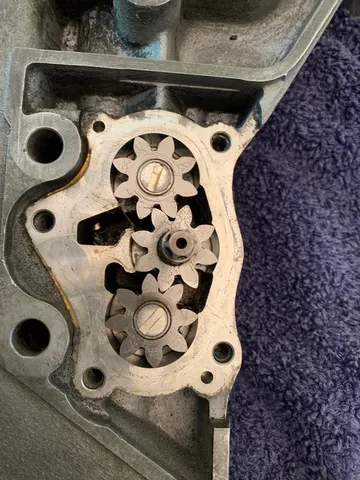
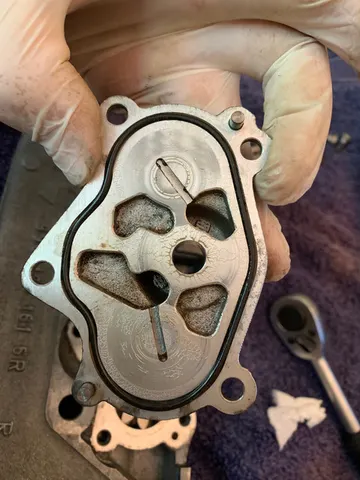
Tiptronic connector seals changed; the bracket question at that stage
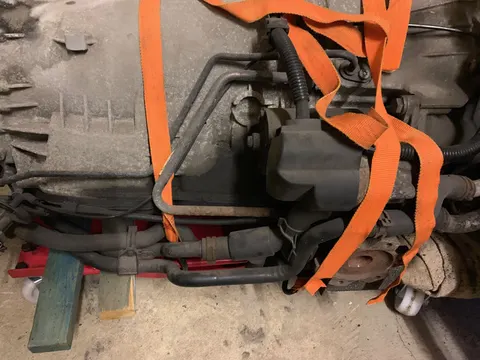
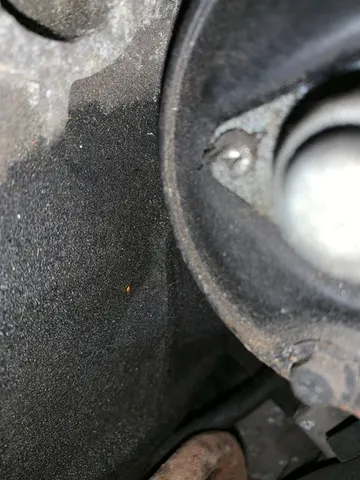
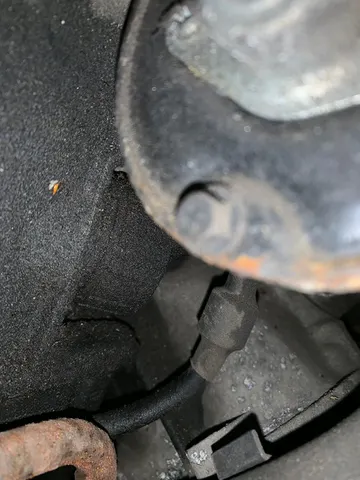
The author was unsure whether oily traces above the transmission came from its connector seals or an earlier spill. He later reported removing the starter and connector, replacing white O-rings that still looked sound as a precaution, cleaning and reassembling. In that update he explicitly identified the car as a 2007 Tiptronic 997 Turbo and was still seeking a bracket near the sensor wiring. Corrosion obscured its number, and an ordered part did not fit. At that stage its number and replacement were unresolved; the follow-up below records the parts-contact response.
Bracket identification progressed, with fit questions remaining
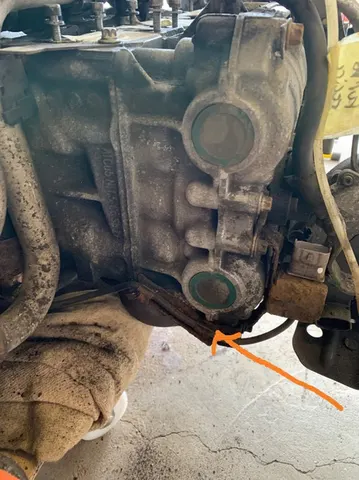
The author reported that his Porsche parts contact found a number for the previously unidentified speed-sensor bracket, although it was unavailable, so he planned to clean and repaint the old one. Later he asked about a separate cam-cover bracket. After lliejk supplied annotated photographs, he said its position appeared correct. These are two distinct bracket discussions; the quoted catalogue number is not an independently verified ordering recommendation.
Used replacement turbos and rebonded coolant fittings
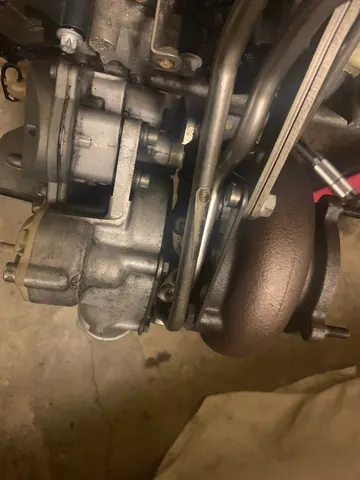
The author listed fitted turbochargers, replacement coolant elbows and hoses, seals, water pump, ignition parts and numerous lines and brackets. He subsequently clarified that the turbos were new to him, with a reported 2,000 miles of prior use; they were not factory-new units. He also said he had made shallow grooves and rebonded the coolant fittings rather than pinned them. A reader’s separate pinning method should not be attributed to this car. Oil, coolant, belt and other items were still pending in this update, so the list is not a completed road-test result.
A pressure-test leak led to a second engine removal
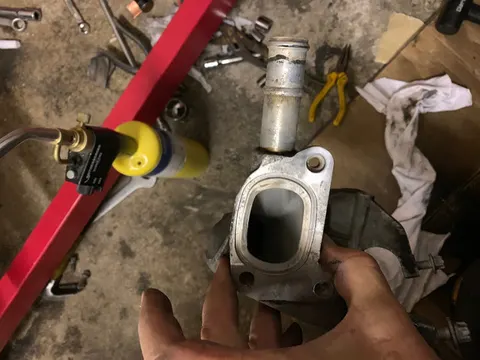
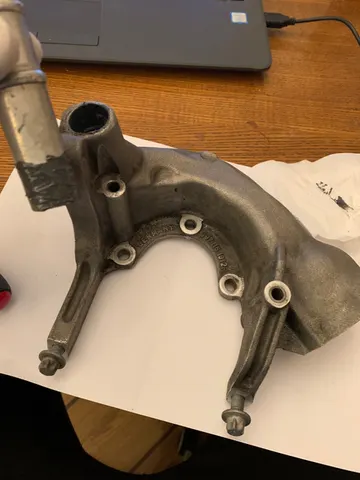
After refitting the engine, theanalyst saw a pressure drop and then coolant dripping near the pipe connected to an elbow beneath the heat exchangers. He removed the engine again, tightened a hose clamp and reported that his subsequent test held 15 psi for 15 minutes. He also found a small crack in the coolant bottle and was awaiting its replacement. This was his reported static-test result; it did not yet establish a completed driving or long-term leak outcome.
A gap at the replacement flex disc
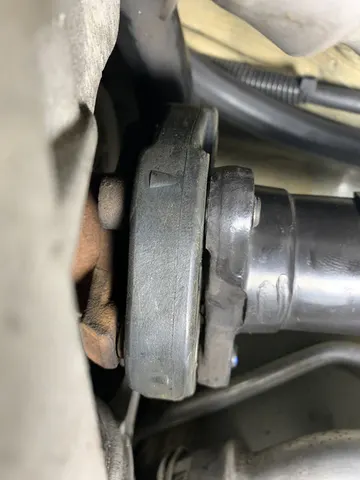
The author reported an approximately 1.5 mm gap between the replacement flex-disc sleeve and transmission output, with apparent distortion when tightening. He measured its guides at 23 mm and ordered another disc. His uncertainty at this stage about part numbers and orientation is corrected in the later refitting update.
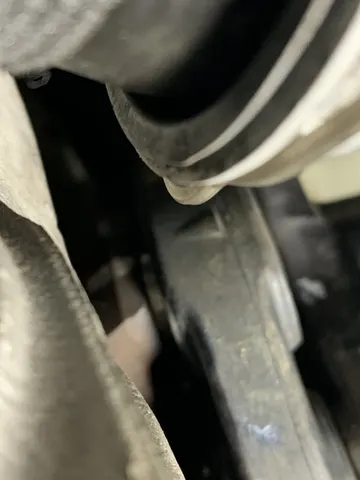
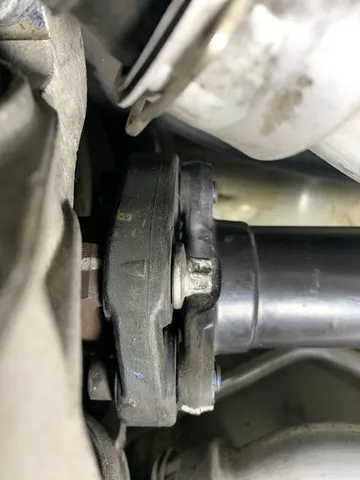
The shaft finally seated after removal and refitting
The author first said the replacement disc bore the correct part number, but later reported the opposite: after removing the cardan shaft he reused the original Febi disc because its part number was correct and the new disc’s was not. He said the splines looked sound and the connection then mated properly. This is his corrected account of the refit, rather than proof of a general manual/Tiptronic interchangeability rule.
Intercooler testing added another replacement
Before refitting, one intercooler did not hold pressure in the author’s test. He obtained a used pair from an owner who had upgraded and refurbished their frames, including broken studs and mounting hardware. His later description mentions stripping, welding replacement studs, priming and painting; the thread does not establish a standardized refurbishment procedure.
Back together and running, with checks still unresolved
The author then reported that the car was reassembled and running, with no leaks seen at that point. He took a very short drive but explicitly had not tested it fully at operating temperature. During stationary running the front radiator return felt lukewarm and the fans had not cut in; the coolant level remained steady after his vacuum fill. A slight idle hunt appeared after about 15 minutes. He added fresh fuel to old fuel but did not yet report that this resolved the idle behavior. He also recorded C203 and 8032 faults and was unsure whether a PASM module was faulty. These observations do not establish a long-term leak fix, a cooling-system diagnosis, or a confirmed module replacement requirement.
Engine back in; a drain-hose question followed
On October 17 the author said the engine was back in and asked whether the small hose below the coolant bottle was an overpressure or overflow drain. Kevin identified it as the drain for coolant spilled while filling. This attributed reply is different from a verified pressure-relief diagnosis; the hose question did not establish a cooling-system fault.
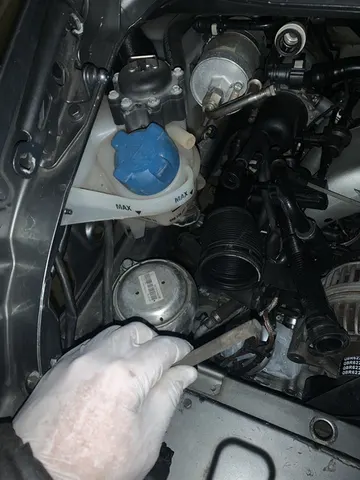
Other owners challenged the geographical explanation
The author initially relayed local workshop advice that elbow failures were less of an issue in his region. nzskater countered with a failure on an ex-UK car in New Zealand. atcbi5 described a slightly displaced fitting and small crystallized coolant traces. These are attributed owner reports, not evidence that every elbow will fail or that climate explains the difference. Product preferences and suggestions for test adapters do not establish the final repair on the author’s car.
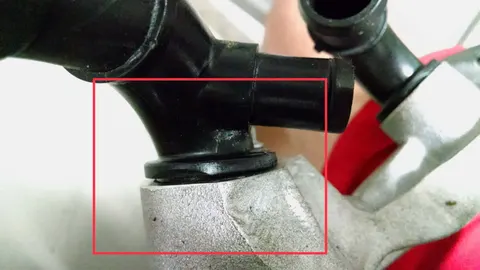
Reply context on cleaning and component identification
Kevin suggested further cleaning and checking gear positions. The author said material visible in the grooves was assembly grease rather than old silicone, leaving a disagreement over the photograph. lliejk added observations from manual and parts illustrations but did not identify the correct bracket. These contributions remain attributed discussion, not a reconstructed service procedure or verified parts-fitment rule.
A separate owner supplied bracket photographs
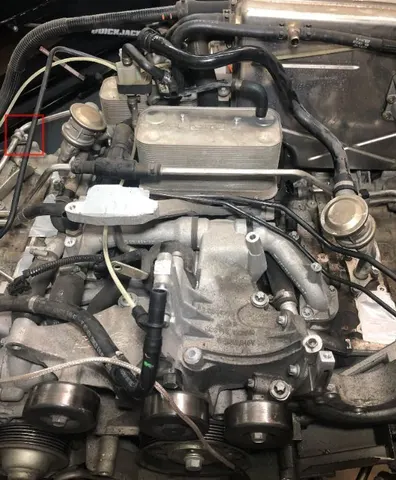
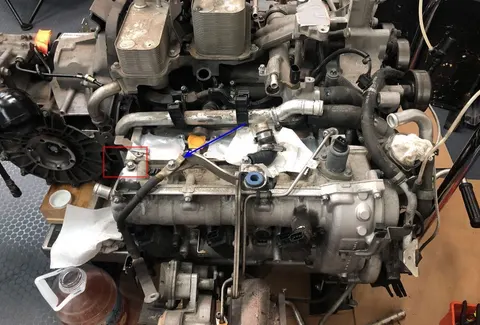
lliejk supplied a wider photograph and annotated close-ups to show the bracket near the cam cover and ground strap. His car was manual-transmission; the original author’s car was Tiptronic. The photograph illustrates his manual-transmission car; it does not establish Tiptronic fitment.
A separate owner offered shaft-movement context
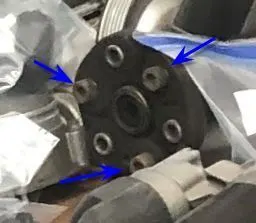
lliejk supplied an annotated photograph and suggested checking movement along the shaft splines. He acknowledged that he did not clearly remember the reassembly. His explanation remains a suggestion from another owner rather than a confirmed diagnosis of the gap.
A reply suggested further coolant checks
atcbi5 described his own bleeding and hose-temperature checks. The author replied that he had mainly left the engine idling and planned another check. The author did not report a result in that exchange, so the reply remains an attributed suggestion rather than a verified diagnosis of this car.
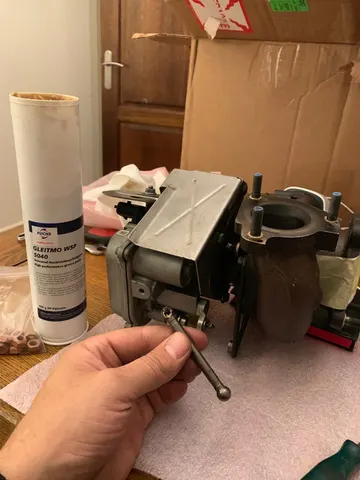
The scavenge-pump cover was initially difficult to open
While cleaning the front manifold, the author initially could not release a small pump cover and requested assembly information. He identified it as the turbo scavenge pump and said it had not been leaking. The continuation below follows the later opening and reassembly questions.
Source reply ↗ · theanalyst
Source reply ↗ · Kevin