
1991 Mercedes R129 SL500 recommissioning
scottejupiter brings an SL500 with inoperative roof hydraulics back into use, progressing through basic service, rebuilding twelve cylinders, replacing the fabric top and tallying the growing cost.

Select a photo to view its source post. The source may require sign-in.
Buying a 1991 SL500 with an inoperative roof
scottejupiter bought a 1991 SL500 showing 86,000 miles, knowing that its roof hydraulics did not work. He wanted the car checked before using it much and planned cylinder work afterward. Maintenance logs were missing; the previous owner had driven it little over two years. What began as a low-priced purchase became a wider effort to bring the car back into use.
Basic service improves the way it runs
After the battery failed, a workshop serviced the brakes, belt, fuel filter, transmission, engine oil and air filters. The owner reported that the car ran noticeably better. That did not mean every concern was resolved: he still described delayed second-to-third shifts when cold and a pull to the left. His later suggestion that the shift behavior might be normal was something he had read elsewhere, rather than a confirmed diagnosis.
Rebuilding all twelve roof cylinders
The owner then took the car to Ed, posting as kustom2k1, and sent all twelve hydraulic cylinders to Top Hydraulics for rebuilding. He later listed cylinder installation and hydraulic fluid among the second workshop’s work. He also said he had arranged to have the lines cleared. This was work shared between a workshop and a specialist rebuilder, rather than a documented owner-performed cylinder-replacement procedure.
The rebuilder reports damaged seals and contaminated fluid
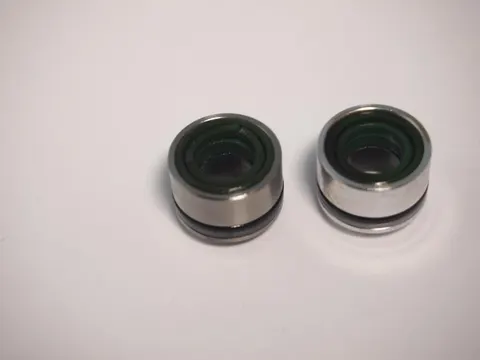
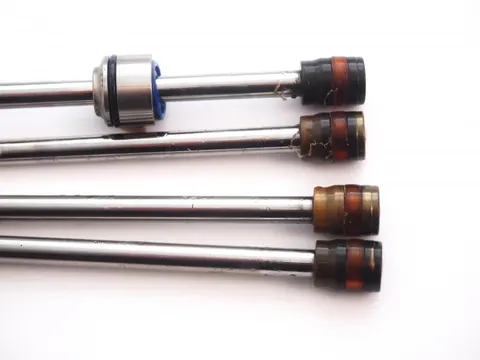
Klaus of Top Hydraulics, the service provider in this repair, reported bad seals in all twelve cylinders. He said ten had previously been rebuilt and the front lock cylinders had been replaced in 2008 or 2009, yet their rod seals had failed again. His photographs show the lock-cylinder caps and four shafts with seal debris. He explained that piston-seal deterioration could cause internal leakage or obstruct valves, so slow operation alone did not establish a failed pump. He also reported traces of water in this car’s fluid and advised cleaning the reservoir and flushing the system, including the roll-bar circuit. He warned that removing the brass retaining rings at the cylinder ports would probably destroy them. These are the rebuilder’s observations and cautions, not independent tests or evidence that every R129 needs the same repair.
The supposedly newer fabric top also needs replacement
At purchase the owner described the fabric top as newer. After it had been opened and closed a few times, he reported dry rot and cracking; it had not been used for at least a year. His later expense list includes a new soft top and installation. This changes the initial impression of the car: rebuilding the hydraulics was only one part of returning the roof to use, and it did not establish the condition of the fabric itself.
The running total grows, with work still ahead
The owner’s historical ledger puts the purchase at $3,800 and the total, including repairs, fees and taxes, at $9,812.33 before fuel and insurance. It includes the cylinder rebuild, workshop installation, new fabric top and numerous small interior and exterior parts. Those are this owner’s period expenses, not current repair quotations. He still described door-lock work as a future project and continued buying trim and electrical parts. His own assessment was that he had rescued the car, while acknowledging that the work was not finished; the account does not establish long-term roof reliability or a measured post-rebuild test result.